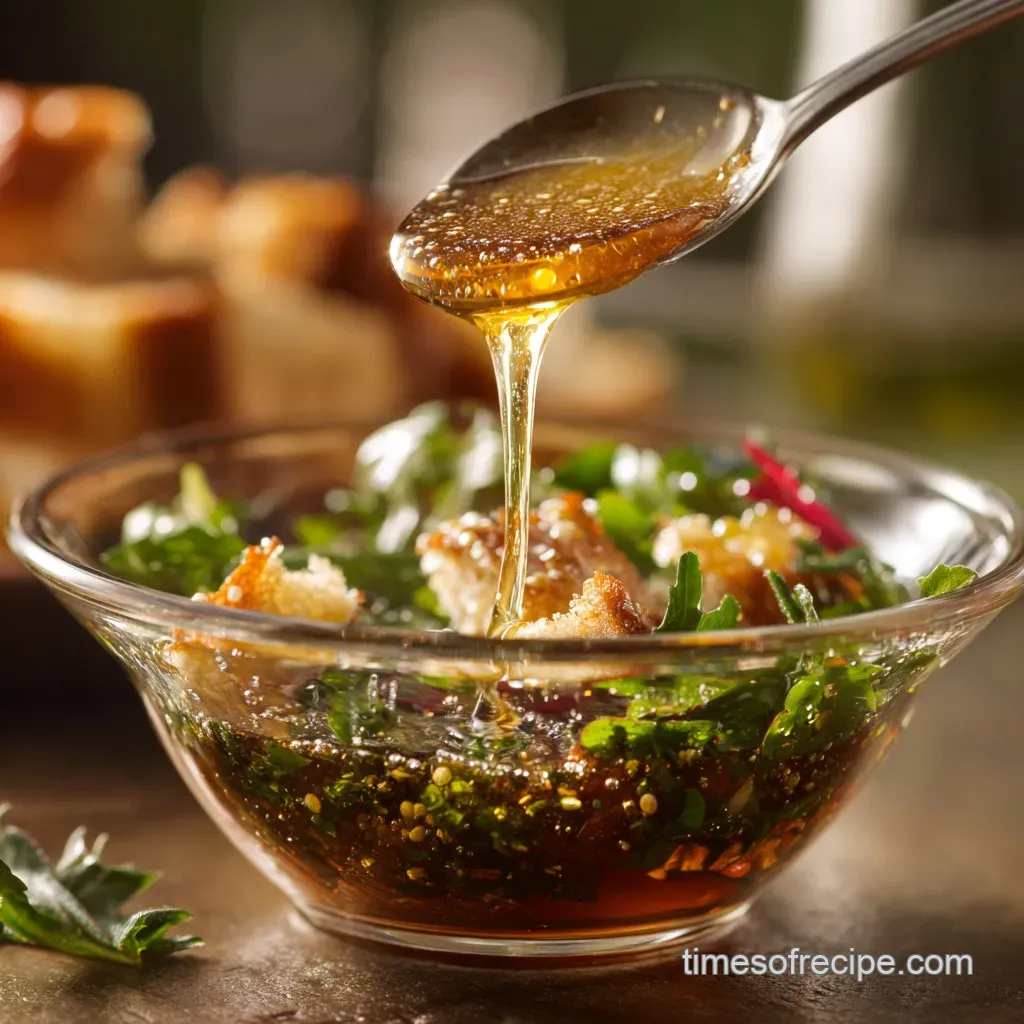
Elevate your everyday salads and culinary creations with a homemade dressing that’s as sophisticated as it is simple: the champagne vinaigrette. Far from being an intimidating gourmet concoction, mastering this delightful dressing is an achievable feat for any home cook. This comprehensive guide will walk you through everything from understanding its delicate flavor profile and essential ingredients to the art of emulsification and smart storage techniques, ensuring your homemade champagne vinaigrette is always a triumph.
The Allure of Champagne Vinaigrette: A Culinary Classic
What makes champagne vinaigrette stand out in the crowded world of salad dressings? Its secret lies in the star ingredient: champagne vinegar. Unlike its bolder counterparts like red wine or balsamic vinegar, champagne vinegar offers a distinctly mild, floral, and subtly sweet acidity. Often crafted from Chardonnay and Pinot Noir grapes, it possesses a delicate nuanced flavor with a hint of vanilla that brightens rather than overwhelms.
This inherent elegance makes it incredibly versatile. It's the perfect finishing touch for a simple green salad, enhancing the freshness of crisp lettuce and garden vegetables. Yet, its refined character also makes it suitable for more elaborate dishes, such as fruit-forward salads featuring berries or stone fruits, where its balanced acidity beautifully complements natural sweetness. From a light lunch to an elegant dinner party, a well-made champagne vinaigrette adds a touch of gourmet sophistication without requiring extensive effort.
Crafting the Perfect Champagne Vinaigrette: Essential Ingredients and Substitutions
Creating a truly exceptional champagne vinaigrette begins with understanding the role each ingredient plays. The beauty of this dressing is its reliance on a few high-quality components working in harmony.
Core Ingredients:
- Champagne Vinegar: The undisputed star. Its mild, bright acidity provides the signature delicate tang. If true champagne vinegar is elusive, a good quality white wine vinegar is the closest alternative, offering a similar, albeit slightly less complex, profile.
- Extra Virgin Olive Oil: This provides the body and richness. Using a good quality extra virgin olive oil is crucial as its fruity notes will balance the sharpness of the vinegar and contribute to a smooth mouthfeel. For a lighter or healthier alternative, avocado oil works wonderfully, offering healthy fats and a neutral flavor that lets the vinegar shine.
- Dijon Mustard: More than just a flavor enhancer, Dijon mustard is a critical emulsifier. Its natural compounds help bind the oil and vinegar, preventing them from separating too quickly. It also adds a subtle, piquant depth. If you're out of Dijon, spicy brown mustard can serve as a substitute, though it will impart a stronger, spicier note.
- Honey or Maple Syrup: These sweeteners provide balance, taming the vinegar's acidity and adding a touch of sweetness that makes the dressing incredibly palatable. Honey offers a classic flavor, while maple syrup is an excellent vegan option.
- Salt and Black Pepper: Essential for seasoning. Use a good quality salt, such as kosher salt or sea salt, to help elevate and marry all the flavors. Freshly ground black pepper adds a pleasant kick.
Expert Tips for Enhanced Flavor:
- Citrus Zest or Juice: A squeeze of fresh lemon juice or orange juice can add an extra layer of brightness and enhance the overall balance, especially if you prefer a sweeter profile.
- Herbs: While not traditional, finely chopped fresh herbs like chives, parsley, or tarragon can introduce an aromatic dimension.
For more detailed ingredient insights and creative twists, explore our article on Champagne Vinaigrette: Delicate Flavor & Ingredient Swaps.
The Science of Emulsification: Achieving Silky Smoothness
The hallmark of a well-made champagne vinaigrette is its smooth, creamy consistency, which comes from a process called emulsification. Oil and vinegar, being immiscible liquids, naturally want to separate. Emulsification is the art of forcing them to suspend together temporarily, creating a stable mixture.
How it Works:
Dijon mustard plays a vital role here. Its proteins and polysaccharides act as emulsifiers, coating the tiny droplets of oil and preventing them from coalescing back into larger oil layers. The slow addition of oil, combined with continuous agitation, is key to forming these stable micro-droplets.
Step-by-Step Emulsification:
- Combine Base Ingredients: In a small mixing bowl, whisk together the champagne vinegar, Dijon mustard, and your chosen sweetener (honey or maple syrup). This creates a homogeneous base for the oil.
- Slow Drizzle and Whisk: This is the most crucial step. While whisking continuously and vigorously, slowly drizzle in the olive oil in a thin, steady stream. The constant motion breaks the oil into minuscule droplets, allowing the mustard to encapsulate them.
- Observe the Transformation: As you continue to whisk and add oil, you'll notice the mixture transforming from a thin, watery liquid into a thicker, opaque, and creamy dressing. This is your perfectly emulsified champagne vinaigrette.
- Season to Taste: Once emulsified, season generously with salt and freshly ground black pepper, adjusting until the flavor truly sings.
Tools for Success:
- Whisk: The classic tool. It requires a bit of arm work but gives you complete control over the process.
- Blender or Food Processor: For an easier, faster, and often more stable emulsion, a blender or food processor is an excellent choice. Simply combine the vinegar, mustard, and sweetener, then slowly stream in the oil through the top opening while the machine is running.
Remember the classic ratio: typically two parts oil to one part vinegar. However, feel free to adjust this to your personal preference for a more or less tart dressing. For even more expert tips on achieving that perfect texture, check out our guide on Homemade Champagne Vinaigrette: Easy Recipe & Expert Tips.
Smart Storage Solutions: Keeping Your Vinaigrette Fresh
One of the many advantages of making your own champagne vinaigrette is the ability to prepare it in advance, saving time during busy weeknights or when entertaining. Proper storage is key to maintaining its freshness and quality.
Refrigeration is Best:
Once prepared, transfer your homemade champagne vinaigrette to an airtight container. A glass jar with a tight-fitting lid is ideal. Store it in the refrigerator, where it will remain fresh and delicious for up to one week.
Understanding Separation:
It's completely normal for the oil and vinegar to separate after a period of sitting, especially when chilled in the refrigerator. This doesn't mean your vinaigrette has gone bad; it simply means the emulsion has relaxed. Before each use, just give the container a good shake until the dressing is well combined and creamy again. This re-emulsifies the ingredients, restoring its desired consistency.
Why Freezing is a No-Go:
While refrigeration is excellent, never freeze champagne vinaigrette. Emulsified oil-based dressings do not fare well in the freezer. The freezing and thawing process causes the emulsion to break permanently, resulting in a separated, oily, and unappetizing texture that cannot be easily salvaged. The delicate flavors can also be compromised.
Prep-Ahead Convenience:
Making a batch of champagne vinaigrette ahead of time is a fantastic meal prep strategy. It means you can effortlessly elevate a quick salad for lunch or have a gourmet-ready dressing on hand for family dinners and special occasions, adding a touch of homemade goodness without the last-minute rush.
Mastering champagne vinaigrette is more than just following a recipe; it's about understanding the synergy of quality ingredients and the simple science behind emulsification. With its delicate balance of tangy, sweet, and floral notes, this versatile dressing offers a fresh and flavorful addition to countless dishes. By following these tips on ingredient selection, proper technique, and smart storage, you'll consistently create a homemade dressing that impresses with its elegance and simplicity. So, go ahead, whisk up a batch, and transform your everyday meals into something extraordinary.
