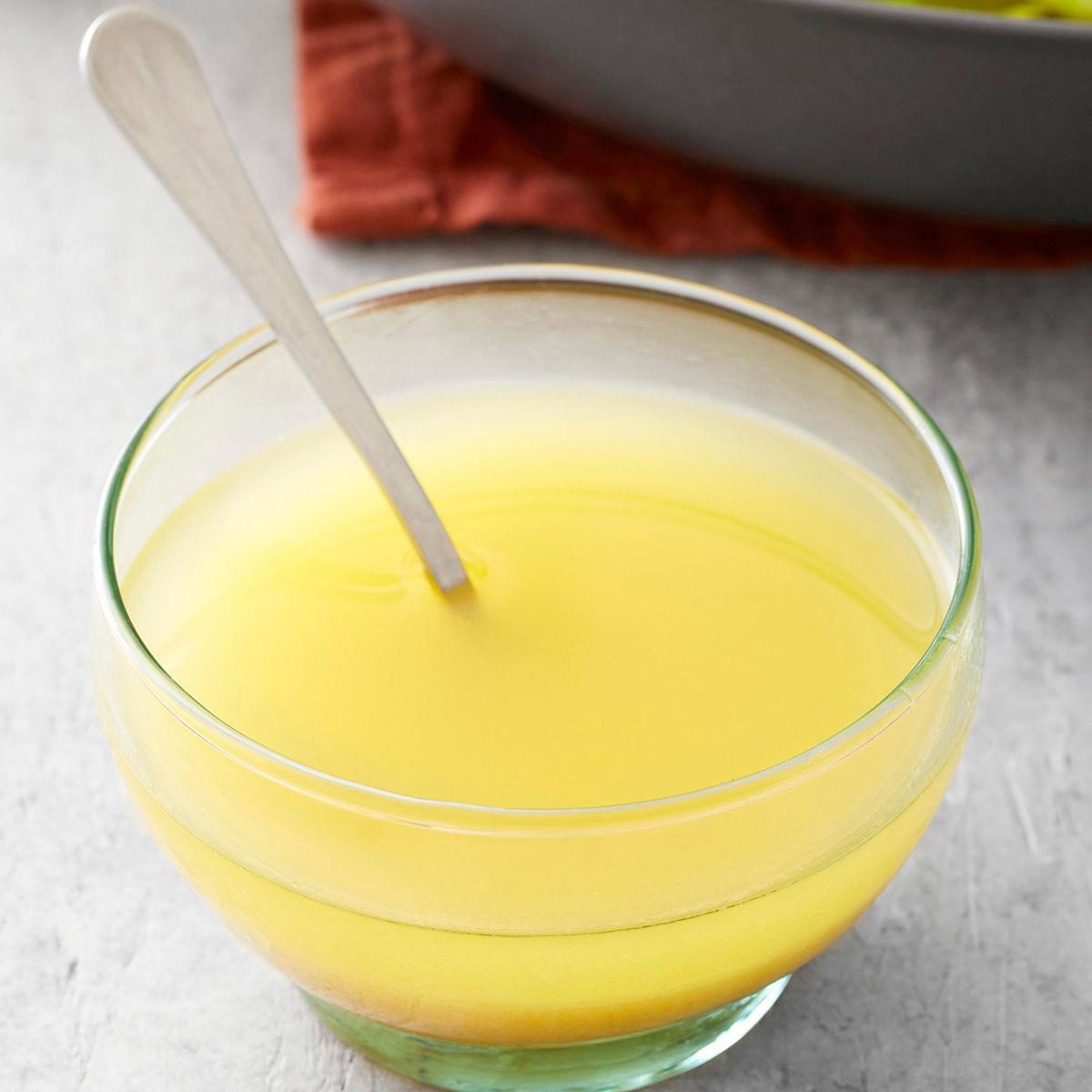
The culinary world is replete with versatile ingredients, but few elevate a simple dish quite like a well-crafted vinaigrette. Among these, champagne vinaigrette stands out for its exquisitely delicate flavor profile, offering a nuanced tanginess that is both refreshing and sophisticated. Far from being just another salad dressing, this homemade concoction is a finishing touch that can transform an ordinary meal into an elegant experience. Fresh, flavorful, and remarkably easy to prepare, champagne vinaigrette is a testament to how simple ingredients, expertly combined, can create something truly special.
The Essence of Champagne Vinaigrette: A Symphony of Delicate Flavors
What sets champagne vinaigrette apart is its star ingredient: champagne vinegar. Unlike its bolder cousins, such as red wine vinegar, champagne vinegar boasts a wonderfully mild and floral taste, often with subtle hints of vanilla. Derived typically from Chardonnay and Pinot Noir grapes, it provides a balanced acidity that is softer and more refined, making it the perfect base for a light yet flavorful dressing. This delicate nature allows it to enhance, rather than overpower, the other components of your dish.
Core Ingredients for the Perfect Balance
Creating an authentic and delicious champagne vinaigrette involves a harmonious blend of classic ingredients, each playing a crucial role in achieving that coveted balance of sweet, tangy, and savory:
- Champagne Vinegar: The foundational element, providing its signature mild acidity and floral notes.
- Dijon Mustard: More than just a flavor enhancer, Dijon mustard acts as a natural emulsifier, helping to bind the oil and vinegar together for a smooth, stable consistency. It also contributes a subtle savory depth.
- Honey or Maple Syrup: A touch of sweetness is essential to counterbalance the vinegar's sharpness. Honey adds a rich, floral sweetness, while maple syrup offers an earthy, caramel-like alternative, also making the dressing vegan-friendly.
- Extra Virgin Olive Oil: A high-quality extra virgin olive oil is key. Its fruity notes and rich texture help to mellow the vinegar's acidity, adding body and a silky mouthfeel to the vinaigrette. Avocado oil is another excellent and healthy alternative.
- Salt and Black Pepper: These fundamental seasonings are vital for bringing all the flavors to life. Opt for a good quality salt, like kosher or sea salt, to enhance the overall taste.
Crafting Your Own Champagne Vinaigrette: Step-by-Step Perfection
One of the most appealing aspects of homemade champagne vinaigrette is how quickly and easily it comes together. In mere minutes, you can have a fresh, vibrant dressing ready to elevate your culinary creations.
The Basic Recipe & Emulsification Mastery
The process is straightforward:
- In a small mixing bowl, whisk together the champagne vinegar, Dijon mustard, and your chosen sweetener (honey or maple syrup).
- Slowly, in a thin stream, drizzle in the olive oil while continuously whisking the mixture. This gradual addition and constant agitation are critical for proper emulsification, creating a smooth, creamy, and well-combined dressing.
- Once emulsified, season the vinaigrette generously with salt and freshly ground black pepper to taste.
- Serve immediately or store for later enjoyment.
Expert Tip for Emulsification: While a whisk works perfectly, for an even easier and more robust emulsification, consider using a blender or food processor. This ensures the ingredients are thoroughly combined and less likely to separate quickly. Remember the classic ratio: approximately two parts oil to one part vinegar for a perfectly balanced and stable vinaigrette.
Ingredient Swaps and Customizations: Tailoring Your Vinaigrette
While the classic champagne vinaigrette recipe is sublime, its versatility allows for numerous delicious modifications. Don't be afraid to experiment and make it your own!
Vinegar and Oil Alternatives
- Vinegar Substitutes: If champagne vinegar is unavailable, white wine vinegar is the closest alternative in terms of mildness and acidity. While it won't have the exact floral notes, it's a good stand-in. Apple cider vinegar could also be used for a slightly fruitier, tangier profile, but will alter the signature delicate flavor.
- Oil Choices: While extra virgin olive oil is standard, avocado oil is an excellent healthy alternative with a neutral flavor. Grapeseed oil also works well for a lighter, less pronounced oil taste.
Sweeteners, Mustards, and Flavor Boosters
- Sweetener Swaps: Beyond honey and maple syrup, you can use agave nectar for a vegan option, or even a small pinch of granulated sugar dissolved in the vinegar.
- Mustard Varieties: If Dijon mustard isn't on hand, a good quality spicy brown mustard can serve as a substitute, though it will impart a slightly bolder flavor. The key is the emulsifying power and savory notes that mustard provides.
- Aromatic Additions:
- Citrus Zest & Juice: A squeeze of lemon juice or orange juice, or a pinch of their zest, can add a brighter, more complex acidity and sweetness, enhancing the overall balance.
- Fresh Herbs: Finely minced fresh dill, chives, parsley, or tarragon can infuse your vinaigrette with wonderful aromatic notes, making it perfect for specific seasonal salads.
- Garlic or Shallots: For those who appreciate a pungent kick, a tiny amount of finely minced garlic or shallots can add an extra layer of savory depth. Be mindful not to overpower the delicate champagne vinegar.
- Spice: A whisper of red pepper flakes can introduce a subtle warmth without detracting from the main flavors.
For more detailed tips on crafting and customizing this delightful dressing, check out our guide on Homemade Champagne Vinaigrette: Easy Recipe & Expert Tips.
Storage and Longevity: Keeping Your Dressing Fresh
One of the beauties of homemade dressings like champagne vinaigrette is their freshness. Properly stored, it can be a convenient staple in your refrigerator.
- Refrigeration is Key: Store your homemade champagne vinaigrette in an airtight container in the refrigerator for up to one week. This lengthens its shelf life significantly.
- Normal Separation: It's completely normal for the oil and vinegar to separate after sitting, especially when chilled. This doesn't mean your vinaigrette has gone bad; simply give it a good shake or a quick whisk before each use, and it will re-emulsify beautifully.
- Never Freeze: Emulsified, oil-based condiments like champagne vinaigrette do not fare well in the freezer. The delicate emulsion will break, leading to a separated, oily, and unappetizing texture upon thawing. The flavors can also degrade significantly. Avoid freezing at all costs.
- Make Ahead Advantage: Champagne vinaigrette is an excellent candidate for making in advance. Having a batch ready in the fridge makes quick lunches or last-minute dinner preparations incredibly easy, allowing you to enjoy fresh salads without the fuss.
For deeper insights into maintaining the quality and consistency of your homemade dressings, refer to our article on Mastering Champagne Vinaigrette: Emulsification & Storage.
Beyond the Salad Bowl: Creative Uses for Champagne Vinaigrette
While an obvious pairing for crisp green and vegetable salads, the delicate flavor of champagne vinaigrette makes it surprisingly versatile across a range of culinary applications.
- Fruit-Forward Salads: Its mild acidity pairs exceptionally well with sweet and savory fruit salads, such as those featuring strawberries, peaches, or grilled stone fruit.
- Marinade Magic: Use it as a light and flavorful marinade for lean proteins like chicken breasts, white fish (cod, tilapia), or shrimp before grilling, baking, or pan-searing. It tenderizes and infuses without overpowering.
- Roasted Vegetable Finisher: Drizzle a generous amount over warm roasted vegetables like asparagus, broccoli, green beans, or potatoes immediately after they come out of the oven for a bright, fresh finish.
- Grain Bowl Enhancer: Brighten up hearty grain bowls (quinoa, farro, couscous) by tossing them with champagne vinaigrette, adding zest and moisture.
- Dipping Delight: Serve it alongside a fresh baguette or a platter of crudités (carrot sticks, cucumber slices, bell pepper strips) as an elegant dipping sauce.
- Pasta Salad Base: A lighter alternative to creamy dressings for pasta salads, it provides a refreshing tang that complements fresh vegetables and herbs.
The beauty of champagne vinaigrette lies in its ability to take simple, fresh ingredients and elevate them with a touch of elegance and delicate flavor. Whether you're a seasoned home cook or just starting your culinary journey, mastering this versatile dressing is a rewarding endeavor. From its refined taste to its endless customization possibilities and practical make-ahead appeal, homemade champagne vinaigrette is more than just a dressing—it's an essential tool for adding brightness and sophistication to countless dishes. So, whisk up a batch today and discover the delicate magic it brings to your table.
